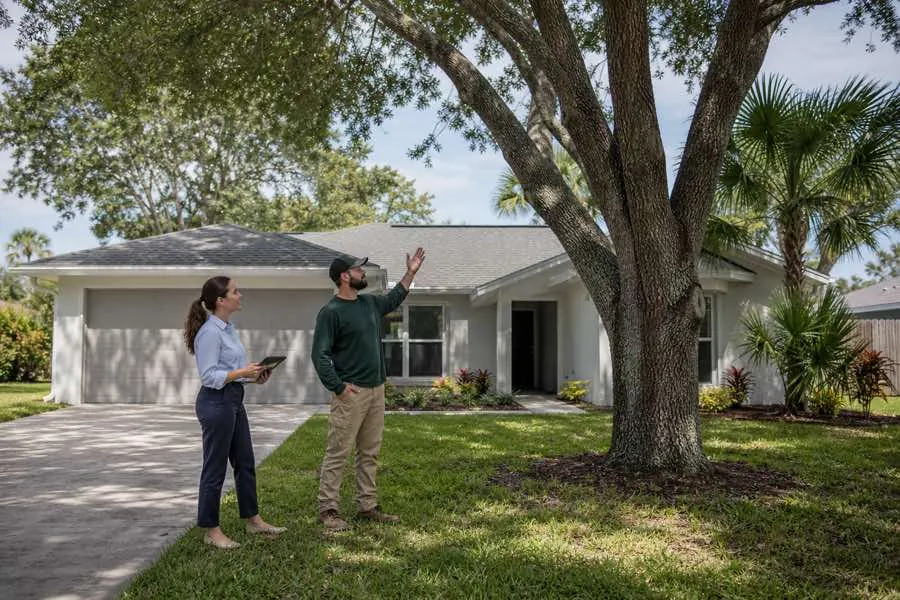
This article draws on Florida Foliage’s original page. Florida Foliage is part of the SCALZ client network. The original source is identified so you can check the context.
Related service or subject: Florida Foliage tree-removal services from Florida Foliage.
Project contact: who coordinates the job
The original Florida Foliage guide emphasizes naming one project contact before scheduling a crew. Tree-removal planning and poolside access planning likewise require accurate site information. The contact record should identify who will approve the written scope, the best number for day-of coordination, and an alternate for access problems. This reduces last-minute confusion when trades and tenants overlap during turnover, while giving the tree crew and other vendors a named contact for arrival changes. The backup can receive updates when the primary contact is unavailable.
Assign a single point of contact for the property, with a backup listed. Include office hours when site work is acceptable and any times to avoid. Note whether the contact will meet crews on site or prefers remote sign-off by photos. Record vehicle parking rules, gate codes, lockbox locations, and waste staging areas so crews do not guess. Include a field for expected turnover dates and a deadline for completion in the contact sheet. Keep the contact information with the estimate and the scope so the same names appear on the invoice, photos, and final completion notes used for the property file.
Scope record: what the job will deliver
The written scope should remain with the project contact record. Both tree-removal planning and poolside access planning rely on a consistent work description. A practical scope identifies the exact tree or limbs to be removed, the agreed cleanup limit, and how stump handling will be documented. It should note constraints such as narrow gates, pool screens, fences, or driveway access so the contractor can plan equipment placement and debris routes. A precise scope keeps the turnover plan aligned with the work and limits misunderstandings when bids include different items.
The scope record should include a checklist covering tree identification, the access route, debris haul-off or piling location, and whether logs remain on site or are removed. Note any protection required for nearby surfaces or plantings and where before-and-after photos should be taken. Add the expected handoff condition the leasing agent will verify, such as a swept yard, clear driveway, or documented stump status. Save the signed scope in the property file so each trade and the owner sees the same task list throughout turnover. Florida Foliage provides further service context on its tree-removal services page.
Coordinating the turnover schedule
Move-out, inspections, cleaners, and deliveries all shape the turnover schedule. Tree-removal planning and poolside access planning provide related guidance on keeping access routes and work windows open. Create a straightforward timeline showing who needs access before and after the tree crew and where overlaps might cause delays. List arrival windows, expected duration, and contingency time for weather or access issues. Clear sequencing reduces the risk that cleaners or deliveries block the crew, or that debris removal conflicts with a final inspection. It also establishes when keys, codes, or gate access must be available.
Ask practical scheduling questions early: Will the yard be vacant during work, or must the crew coordinate with occupants? Where will vehicles and equipment stage so they do not block a driveway needed for appliance delivery? Who will clear the path for crews if a gate is locked? Ask the project contact which other vendors need a schedule update and how any agreed staging areas will be kept available. Record any agreed no-work hours and confirm how the team should communicate delays on the day of service. Keeping these notes with the project contact and scope helps the manager keep everyone aligned.
Handoff record: documenting completion for the file
A concise handoff links the project contact and scope with the turnover checklist. Records used in tree-removal planning and poolside access planning also distinguish agreed cleanup from later work. The handoff should contain final photos, the invoice or estimate reference, and a brief completion note confirming that the recorded cleanup limit and stump handling were addressed. Keep it in the property file so leasing agents, owners, and service coordinators can compare completed work with turnover objectives and flag unclear items for follow-up. The record also helps with retrospective comparisons of competing proposals.
Keep these elements in the handoff record: the signed scope, date and time of completion, before-and-after photos keyed to the scope checklist, notes on any site issues encountered, and a final contact who verified the work. If follow-up tasks are needed, add them as separate items with their own contacts and target dates. Store the handoff record alongside lease and turnover documents so it is part of the standard move-in package. This creates a single operational trail showing the contact for the project, the agreed task list, schedule interactions with other trades, and the cleanup handoff the manager will present at final inspection.