This article draws on Florida Foliage’s original page. Florida Foliage is part of the SCALZ client network. The original source is identified so you can check the context.
Related service or subject: Florida Foliage tree-removal services from Florida Foliage.
Existing pool-area context
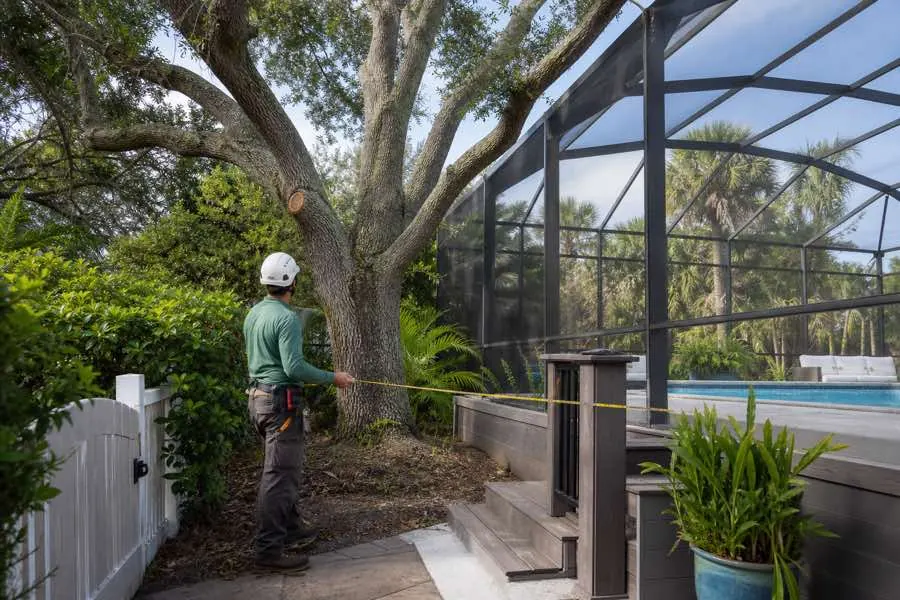
Florida Foliage’s poolside guidance places written site details at the center of tree-removal planning. The same details matter in rental-turnover coordination, where a manager may arrange access and maintain the work record. Homeowners should view the pool enclosure, deck, coping, and gate as fixed site features that affect the scope of a written quote, not merely as considerations related to tree size. The source says coastal properties in Ormond Beach, Daytona Beach, and nearby towns may have sandy soil and limited staging space. A written estimate should record these conditions so each bid covers the same physical constraints and protection requirements.
Florida Foliage recommends documenting clearance around the pool cage, deck, and roofline, while measuring gate widths and side-yard access during a pre-bid review. The original guidance is available from Florida Foliage. These on-site conditions determine which routes and equipment crews can use, how debris will be moved, and which surfaces require protection. Photographs, sketches, and a checklist help make quotes comparable and reduce scope disputes when the crew arrives. Readers can also consult Florida Foliage tree-removal services for the main service context linked from the source when reviewing the quote’s coverage.
What a poolside quote should include
A practical poolside quote should define the site-specific scope instead of listing only the tree size. Homeowners should check whether every estimate identifies enclosure clearance, protection for decks and pavers, and the debris route. In tree-removal planning, comparable quotes must describe the same access restrictions. Rental-turnover coordination likewise requires a consistent description for everyone involved. The source stresses that bids should state where wood and chips will travel, how screens or panels will be protected, and which restoration boundary or finish grade is included. These details align the quoted work with existing property conditions and help prevent unexpected charges after mobilization.
A clear quote should specify crew and equipment access, identify landing or staging areas, and list surfaces that will receive temporary protection. It should state whether stump grinding is included or priced separately and define cleanup limits for mulch and wood removal. Including these elements supports an apples-to-apples comparison between contractors and creates a record homeowners can use to verify that the completed work matches what both parties agreed to when the estimate was prepared. Homeowners should retain the estimate, photographs of marked boundaries, and all access notes for future reference.
Questions to ask the provider
When requesting a written quote, homeowners should ask whether the estimate covers enclosure clearance, panel protection, deck coverage, and the debris exit route. They should also request comparable answers from every contractor. Both tree-removal planning and rental-turnover coordination depend on precise information about site access. The Florida Foliage source recommends measuring gate and side-yard widths, marking screens and coping edges, and identifying the route for removing chips and wood. Asking every provider about these points helps ensure bids price the same constraints rather than differ because of hidden items.
Homeowners should also ask whether the quote identifies who will perform stump grinding, if requested, how deep the grinding will be when included, and what finish grade will remain at the restoration boundary. For coastal sites with narrow access and soft ground, they should ask how the company records access restrictions and whether the estimate includes protection for pavers and pool framing during debris removal. Providers should document their responses and attach photographs or a sketch to the estimate. This creates a consistent basis for comparing bids and later confirming the agreed scope on the workday.
The cleanup handoff and documentation
Homeowners should clarify who will stage and haul wood and chips, and whether the quote includes debris containment to keep material out of the pool or screen enclosure. That cleanup boundary connects tree-removal planning with records used in rental-turnover coordination. The source advises making cleanup duties explicit in the estimate and recording restoration limits, including mulch replacement, soil finish, or surface repairs. These details help ensure the post-work condition matches the scope documented before mobilization. A written handoff also reduces uncertainty about which items remain and which are the contractor’s responsibility upon completion.
The provider should attach a written cleanup plan to the estimate, listing the debris route, staging area, and final destination of chips and wood. Photographs of pre-work conditions should also be included so any changes can be tracked. Homeowners should retain this documentation with the signed estimate and use it to confirm completion of the agreed work on the scheduled day. For local planning language, they can review the original Florida Foliage guidance and the Florida Foliage tree-removal services page. The original source explains why the existing enclosure, surfaces, and access route should be discussed before accepting a quote.